The importance of tests in our software
Writing tests is one of the most effective ways to verify your software works as intended. Tests check that each part of your program behaves correctly under different conditions, acting as a safety net that catches issues before they reach production.
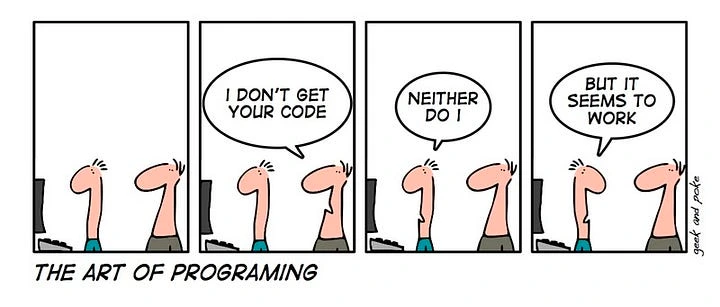
Verification and Early Detection
Tests verify correctness and catch bugs before they reach production. A bug caught during development takes minutes to fix, while the same bug in production can take days and cost far more.
public function test_applies_discount_correctly(): void
{
    $result = $calculator->calculateDiscount(100, 20);

    self::assertSame(80, $result);
}
This simple test catches calculation errors, edge cases, and regressions immediately. Without it, bugs slip through to QA or production where they're exponentially more expensive to fix.
Safe Refactoring
Tests give you confidence to improve code structure without breaking functionality. Without tests, refactoring is risky and developers avoid it, leading to code degradation over time.
// You can safely refactor this:
return $price - ($price * $percentage / 100);

// To this:
return $price * (100 - $percentage) / 100;

// Tests ensure the behavior remains identical
When your test suite passes, you know the refactoring didn't introduce bugs. This enables continuous improvement of the codebase.
Better Design and Documentation
Writing testable code forces you to break code into smaller, independent components with clear responsibilities. Tests also serve as executable documentation showing how the code should be used.
public function test_order_workflow(): void
{
    $order = new Order($items);
    $order->applyDiscount(20);
    $order->addShipping(10);

    self::assertSame(90, $order->total());
}
This test documents the expected workflow and demonstrates the API. Anyone reading it understands how to use the Order
class without digging through implementation details.
Common Mistakes When Writing Tests
Testing Implementation Details
One of the most common mistakes is testing how something works instead of what it does. Tests should verify behavior, not implementation. If you refactor the internal logic without changing the public API, your tests shouldn't break.
// BAD - Testing implementation details
public function test_uses_percentage_calculation(): void
{
    $calculator = $this->createPartialMock(PriceCalculator::class, ['getPercentageValue']);
    $calculator->expects($this->once())->method('getPercentageValue');

    $calculator->calculateDiscount(100, 20);
    // This test breaks when you refactor the internal logic
}

// GOOD - Testing behavior
public function test_applies_discount_correctly(): void
{
    $calculator = new PriceCalculator();

    $result = $calculator->calculateDiscount(100, 20);

    self::assertSame(80, $result);
    // This test only cares about the result, not how it's calculated
}
The first test will break if you change the internal implementation, even if the behavior remains correct. The second test only verifies the outcome, making it more maintainable.
Creating Brittle Tests
Tests that break whenever you make minor changes are worse than no tests at all. They slow down development and eventually get ignored or deleted. Common causes include:
- Hardcoding values that should be dynamic
- Testing private methods directly
- Over-mocking dependencies
- Asserting on exact string matches instead of patterns
Not Testing the Right Things
Some developers chase code coverage metrics without thinking about what they're actually testing. You don't need to test framework code, simple getters/setters, or language features. Focus on business logic, edge cases, and error handling.
Tests are not just about finding bugs. They're about designing better software, maintaining confidence in your codebase, and reducing the cost of change over time. The initial investment in writing tests pays off in the long run through fewer production incidents, easier maintenance, and faster development cycles.